
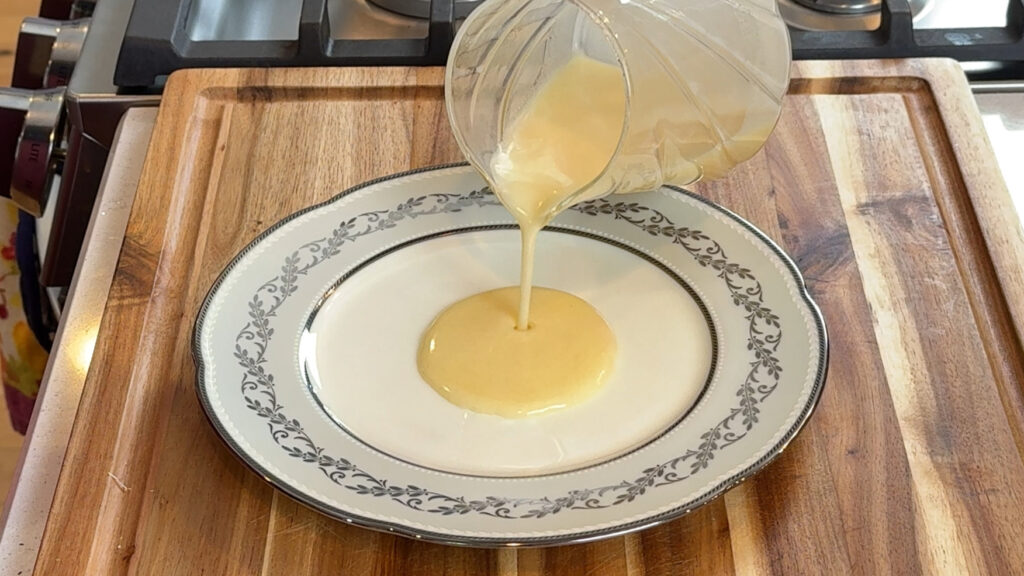
Beurre blanc sauce has a reputation. People treat it like a restaurant-only sauce — something fussy, something that only behaves for professionals with years of training. It isn’t. It’s three things: a little acid reduction, cold butter, and gentle heat. That’s the whole sauce.
I’m going to show you why it breaks, how to keep it together, and — the part almost nobody teaches — how to save it if it does start to go. Then we’re pairing it with seared scallops, because a sauce this good deserves a moment.
Why This Works
Here’s the thing most recipes skip: butter is already a sauce. It’s an emulsion all on its own — tiny droplets of water and milk solids held inside fat, already locked together before you ever turn on the stove. Making a beurre blanc isn’t about building an emulsion from nothing. It’s about melting that butter gently enough that its existing emulsion stays together instead of splitting apart when you introduce it to an acid.
That distinction matters, because it changes what you’re actually doing at the stove. You’re not whisking oil and liquid into submission the way you would with a vinaigrette. You’re coaxing something that’s already stable to stay stable while it melts. Go too fast, and you break the emulsion the butter arrived with. Go slow and cold, and it holds.
In a beurre blanc, the acid is the foundation, not an afterthought. Unlike a pan sauce, there’s no fond, no browned drippings left in the pan to build from. The wine and vinegar you reduce with the shallots become the base of the entire sauce — every bit of flavor in the final dish traces back to that reduction. That’s also why we reduce it hard, down to just a couple of tablespoons: we’re concentrating the shallot and wine flavor, and just as importantly, we’re getting rid of the excess water that would otherwise thin out the butter later.
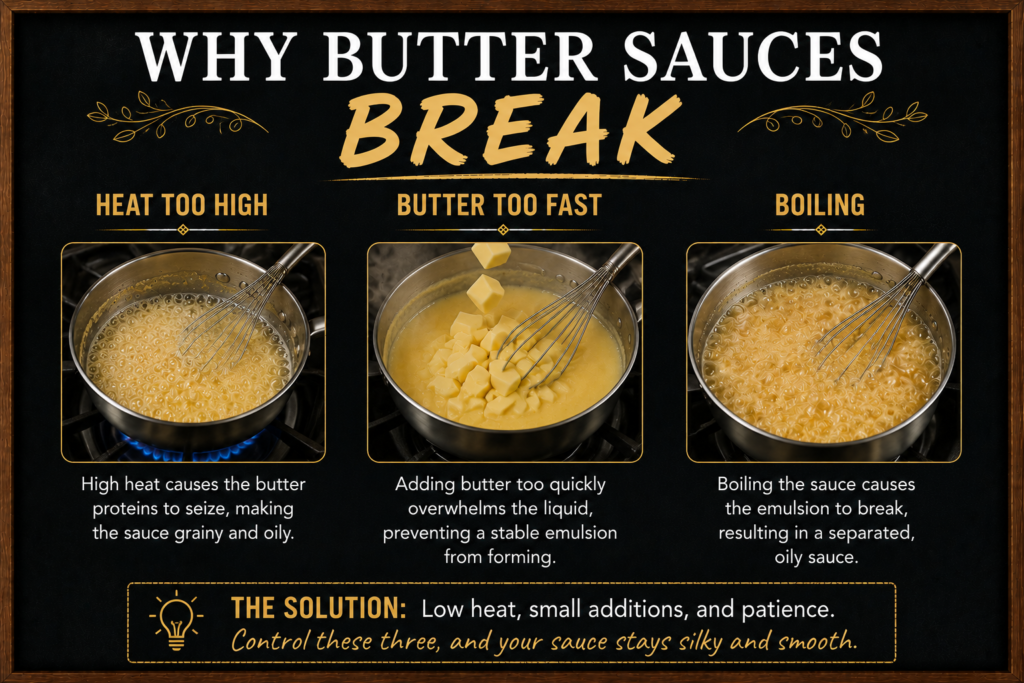
So why does beurre blanc actually break? It almost always comes down to one of three mistakes: the heat is too high, the butter goes in too fast, or the sauce is allowed to boil. Any one of those forces the butter’s emulsion to give up before it’s had a chance to settle in. Control those three variables, and this “impossible” restaurant sauce becomes something you can make on a Tuesday.
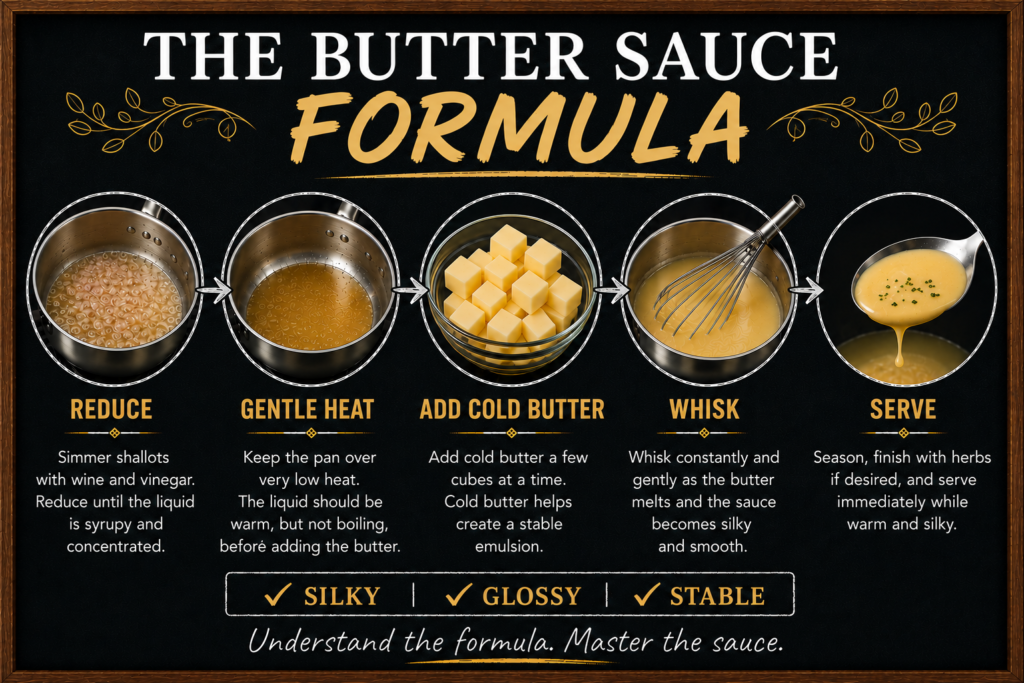
Every butter sauce in this series follows the same basic shape: reduce, hold at gentle heat, add cold butter gradually, whisk constantly, serve immediately. Beurre blanc is where that formula gets its clearest expression — no fond, no roux, nothing to hide behind. Just the technique, in its purest form.
Let’s Make It
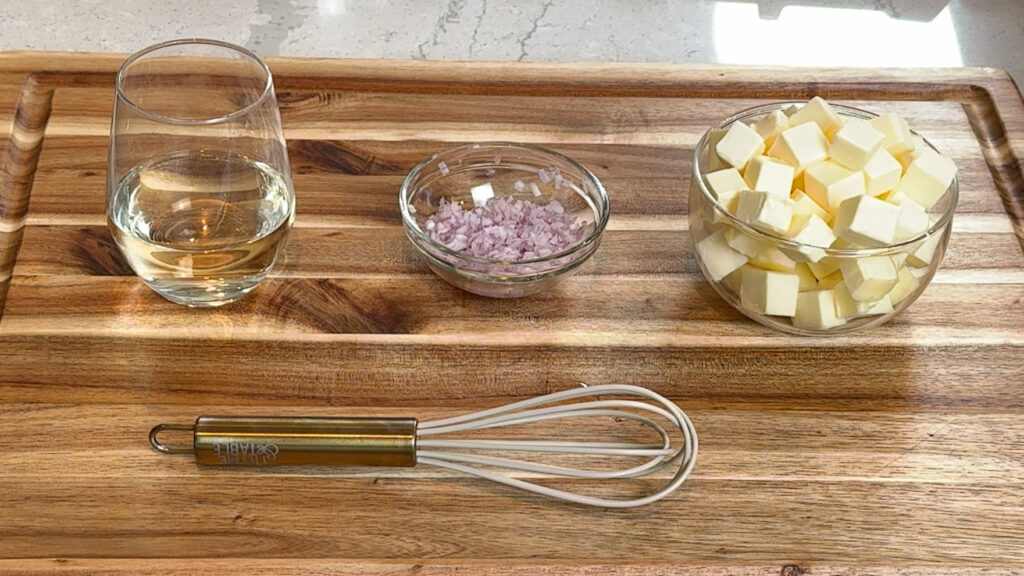
Dry white wine, minced shallot, cold cubed butter. That’s genuinely most of it.
Start the reduction. Combine dry white wine, minced shallots, and a splash of white wine vinegar in a small saucepan. Bring to a simmer and reduce until only a couple of tablespoons of syrupy liquid remain — almost dry, intensely flavored.
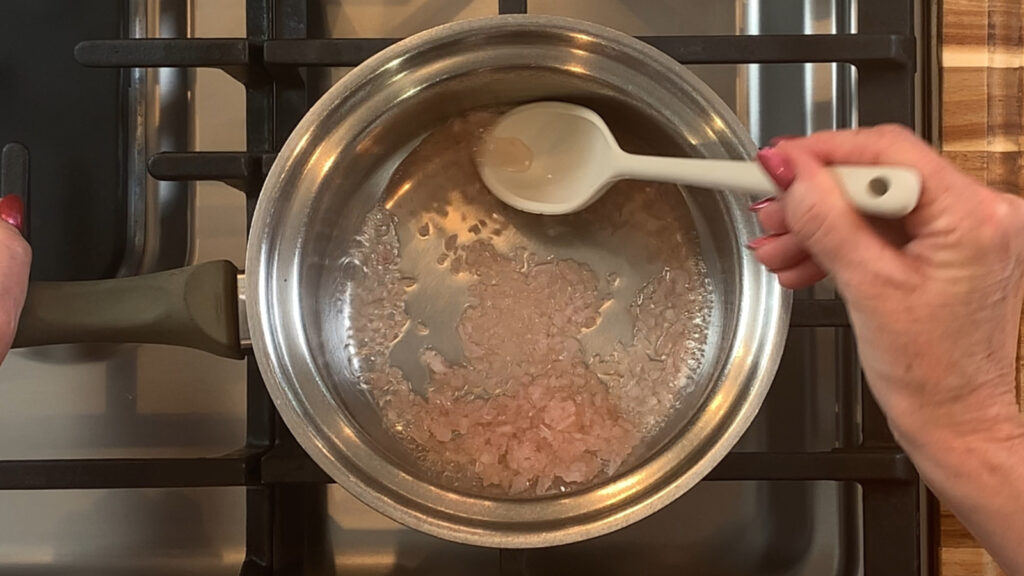
Reduce until it’s nearly gone. This concentration is the entire flavor base of your sauce.
This part can be done well ahead of time — it’s your version of restaurant mise en place. Once it’s reduced, it’ll hold at room temperature while you sear your scallops (full method on the scallops post).
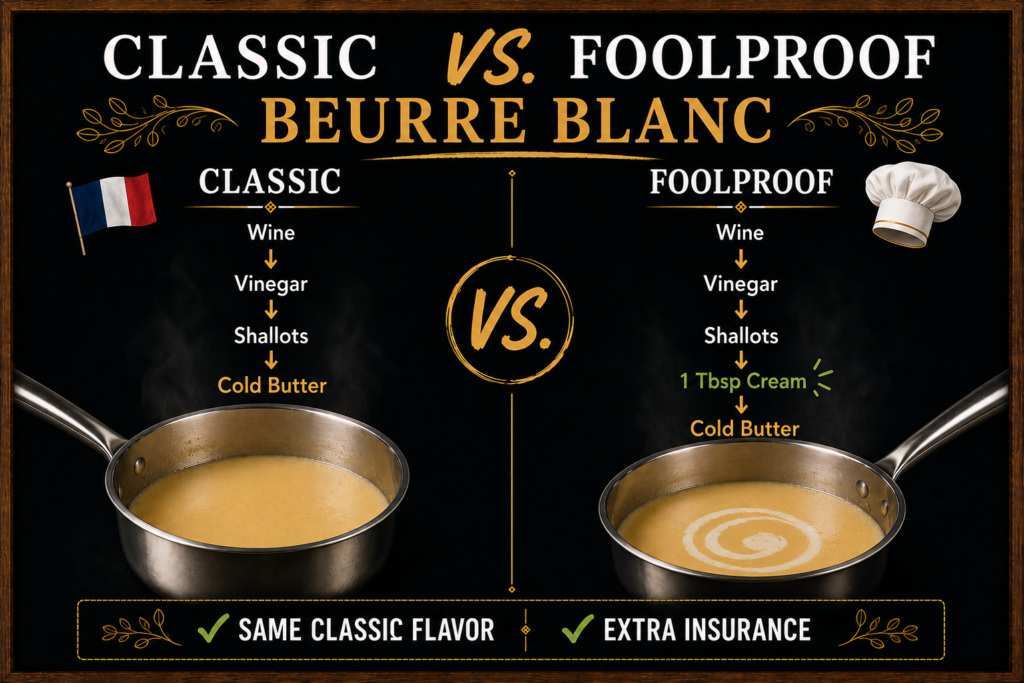
The foolproof beurre blanc insurance. A classic beurre blanc relies on butter alone to form the emulsion. My version adds one tablespoon of cream to the reduction before the butter goes in. It’s not classic, and I want to be upfront about that — but it keeps the same flavor while giving home cooks real insurance against the sauce breaking. Think of it as a seatbelt, not a substitute for the technique.
Add the butter, low and slow. With the pan over the lowest heat your stove will go, add cold, cubed butter a few pieces at a time. Whisk constantly, letting each addition melt in fully before adding the next.
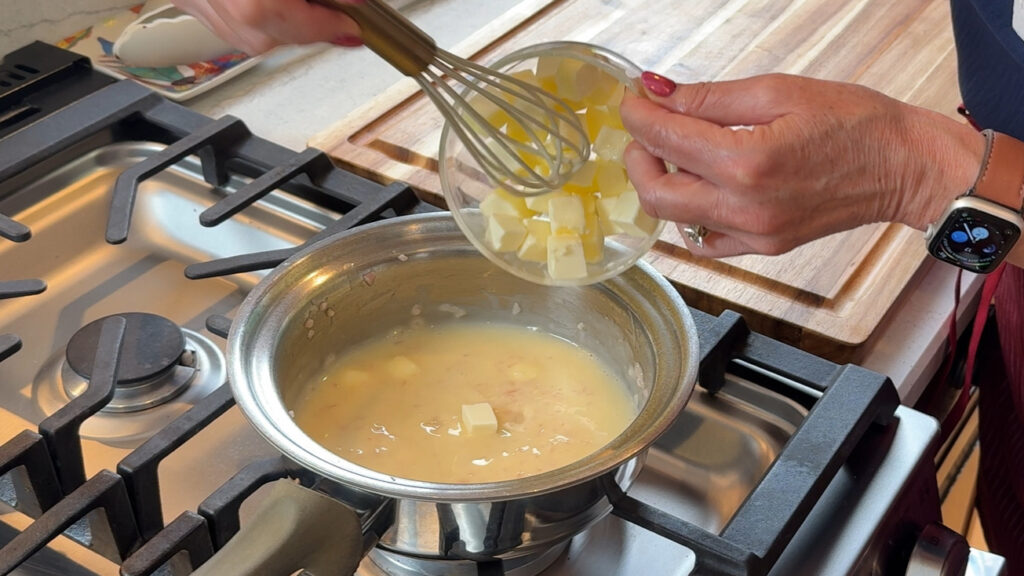
Small additions, constant whisking. Cold butter melts slowly — and that slow melt is the whole secret.
This is why the butter has to be cold. Cold butter melts gradually, which gives it time to fold into the sauce instead of simply turning to grease. Warm butter melts too fast, and a fast melt is what splits the emulsion.
Check the texture. Keep adding butter until the sauce is thick, pale, and glossy. It should coat the back of a spoon and hold a line when you drag a finger through it.
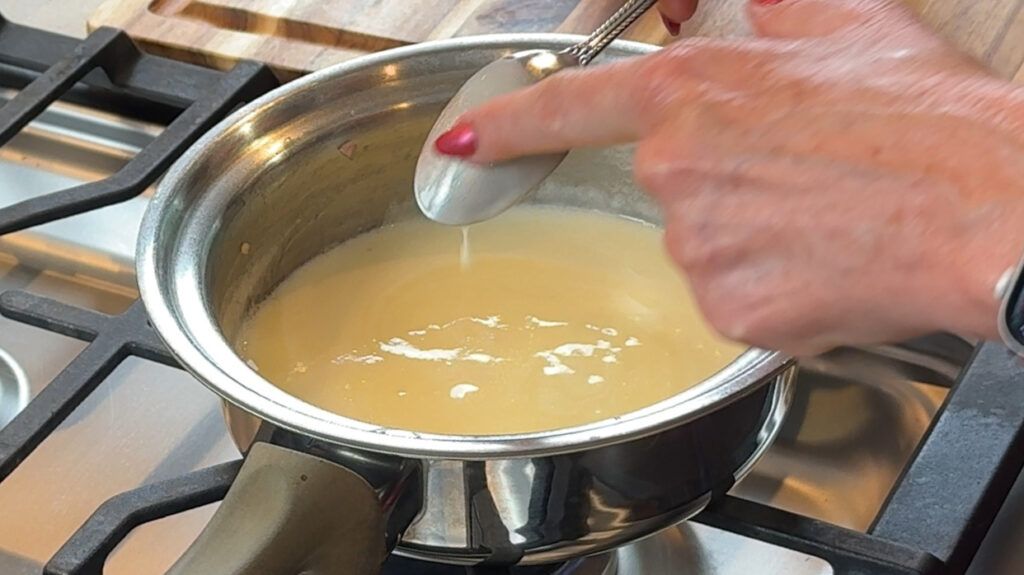
Coats the spoon, holds a line. That’s how you know it’s ready.
Season with salt and white pepper — white, not black, so you don’t speckle a sauce that’s supposed to stay pale and clean-looking.
If it breaks anyway, this is how to fix a broken sauce. You’ll see it go thin and oily around the edges. Don’t panic, and don’t throw it out. Pull the pan off the heat immediately, add a tablespoon of cold water — or a single small ice cube — and whisk with purpose. Nine times out of ten, that cold shock pulls the emulsion right back together.
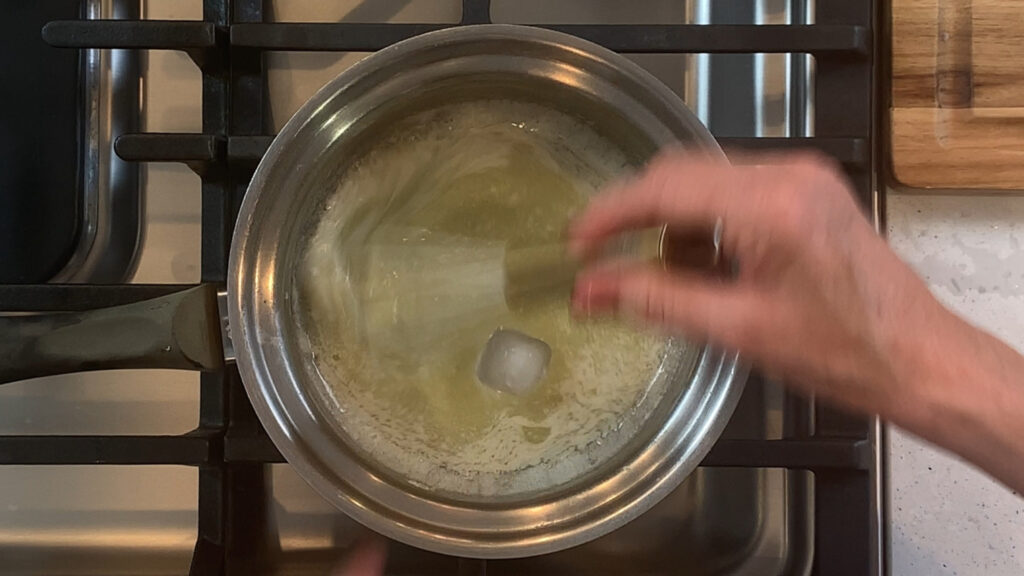
Turn off heat, cold shock, whisk hard. This is the fix nobody tells you about.
Strain, if you like. The shallots add wonderful flavor, but if you prefer a completely smooth, silky sauce, pass it through a fine mesh strainer before serving. Entirely optional — I do it because I like the texture, not because it’s required.
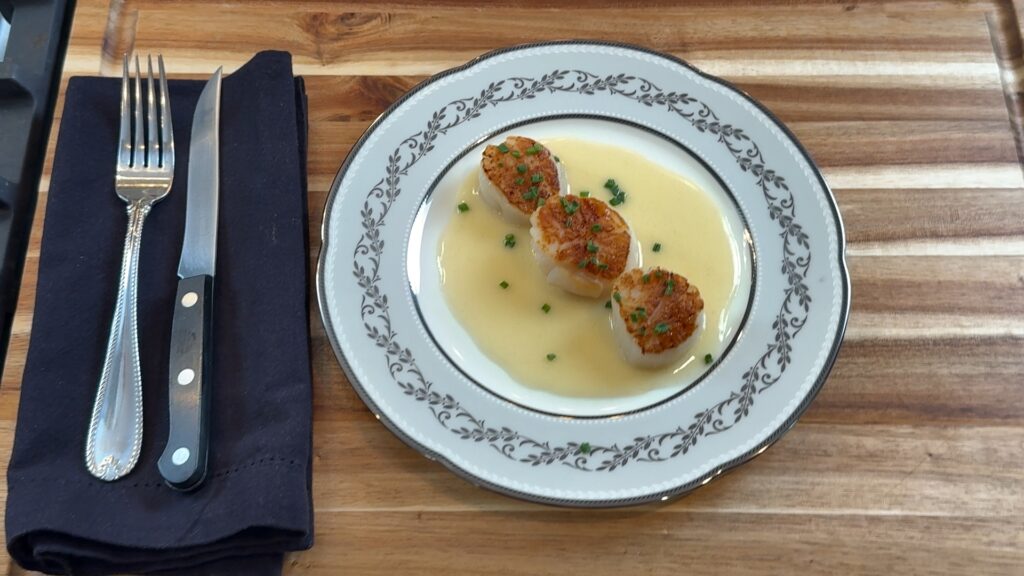
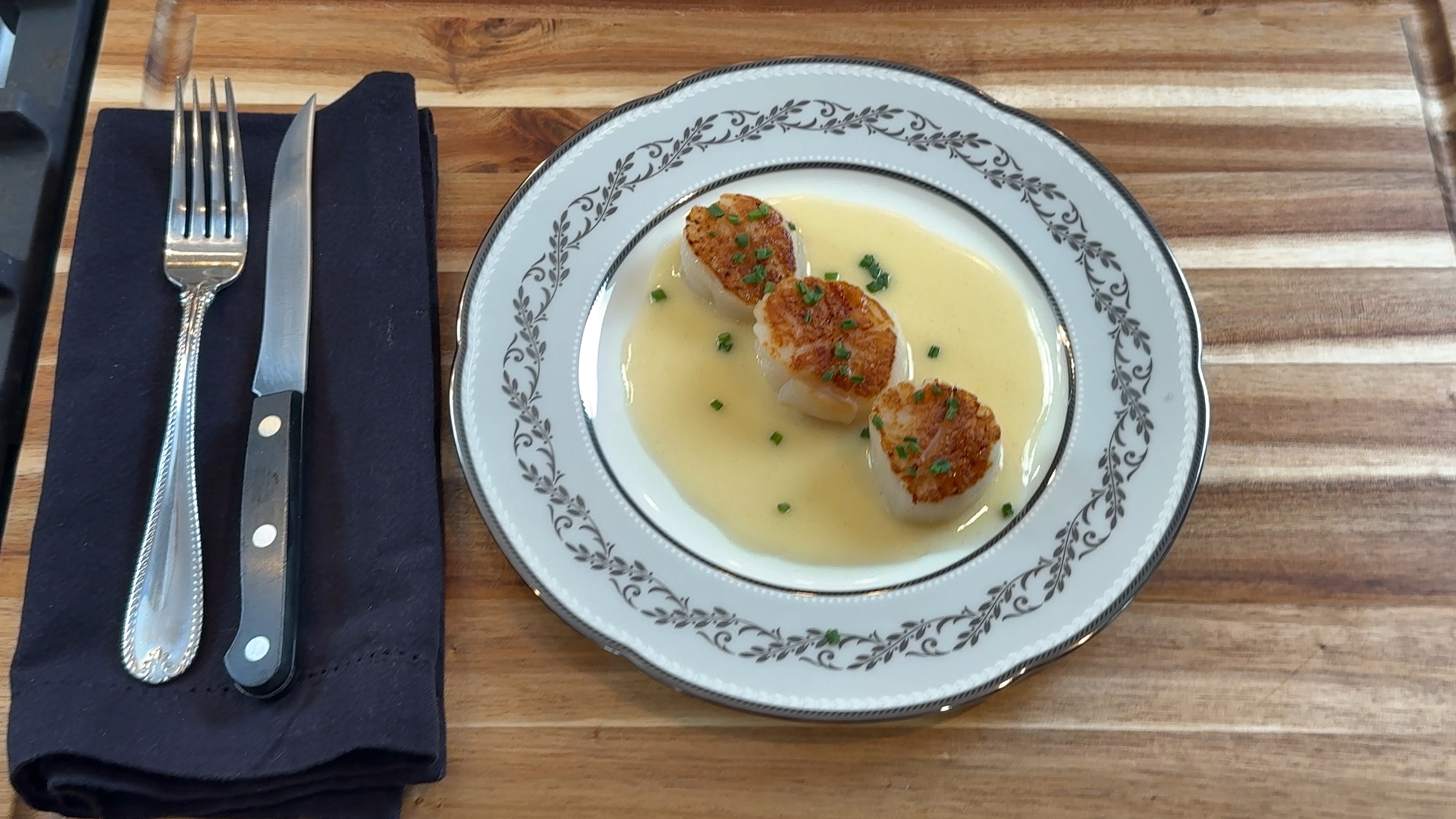
Plate it like a restaurant. Pour a wide pool of sauce onto the plate first, then set the scallops on top, crust facing up. You eat with your eyes first, and a scallop crust deserves to be seen, not drowned. Finish with a scatter of fresh chives.
Ingredients
Method
- Combine wine, vinegar, and shallot in a small saucepan. Bring to a simmer over medium heat.
- Reduce until only about 2 tablespoons of syrupy liquid remain.
- Reduce heat to the lowest setting. Stir in the cream.
- Add cold butter, a few cubes at a time, whisking constantly and letting each addition melt fully before adding more.
- Continue until all butter is incorporated and the sauce is thick, pale, and glossy.
- Season with salt and white pepper.
- Strain if desired. Top with chives. Serve immediately.
Video
Notes
Related Recipes
Seared Scallops
FAQ
What does “beurre blanc” mean? It’s French for “white butter” — a reference to the sauce’s pale, ivory color, which comes from butter emulsified with a wine and shallot reduction rather than any dairy-based whitening.
Can I make beurre blanc ahead of time? The wine reduction can be made ahead and held at room temperature. The finished butter emulsion itself is best made just before serving and doesn’t hold or reheat well, since reheating risks breaking it.
What do I do if my beurre blanc breaks? Remove it from the heat immediately, add a tablespoon of cold water or a single ice cube, and whisk vigorously. The sudden temperature drop typically pulls the emulsion back together.
Can I use a different wine? Yes — any dry white wine works well. Avoid sweet wines, which will throw off the sauce’s balance.
Why is my sauce oily or greasy instead of creamy? This is the sauce breaking, usually from heat that’s too high, butter added too quickly, or the sauce being allowed to boil. Use the rescue method above, and next time, keep the heat lower and add butter more gradually.
Do I have to strain the sauce? No. Straining removes the shallot for a completely smooth texture, but it’s a preference, not a requirement.
Butter Sauces Series
This is Episode 8 of a five-part series on classic butter sauces. Coming up: Brown Butter Sage Sauce, Lemon Butter Sauce, Restaurant Finishing Secrets, and Sandefjordsmør.