
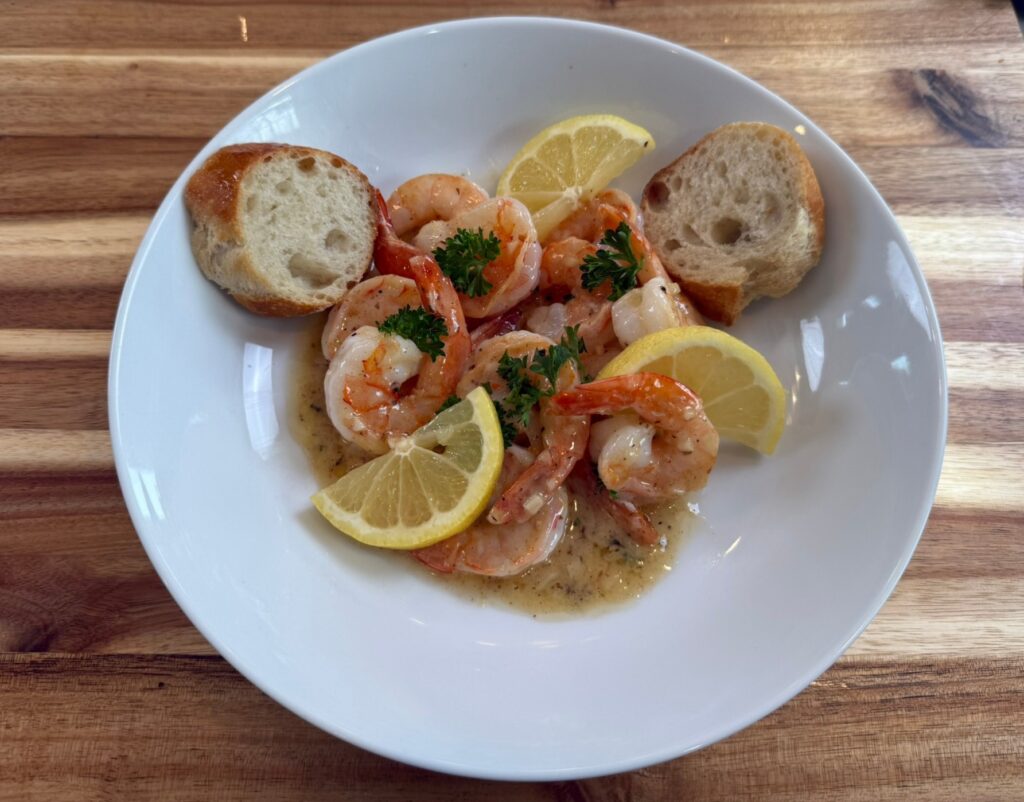
A great sauce doesn’t have to take all afternoon.
This lemon butter sauce comes together in minutes, but it tastes like you spent hours on it. It’s the kind of sauce you can actually make on a Tuesday after work — no wine reduction, no fussy timing, just a fast, forgiving version of the same formula we’ve been building all series.
We’ve made a beurre blanc that takes real patience, and a brown butter that’ll punish you if you look away. This one’s different. It’s the one for busy nights, and it still delivers something silky, bright, and restaurant-worthy — perfect over shrimp, fish, or even chicken. Today, we’re pairing it with seared shrimp and crusty bread for soaking up every last drop.
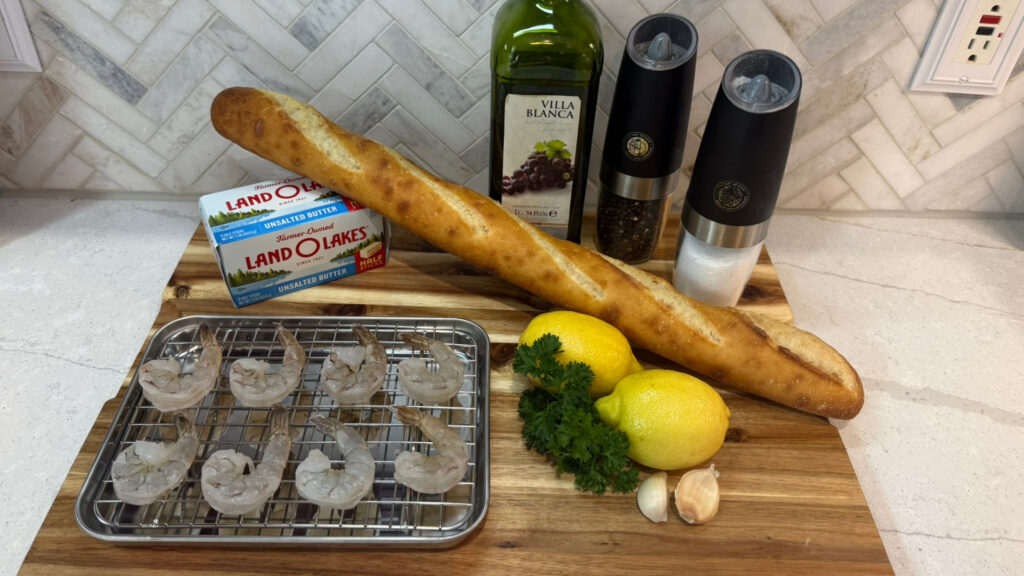
Why This Works
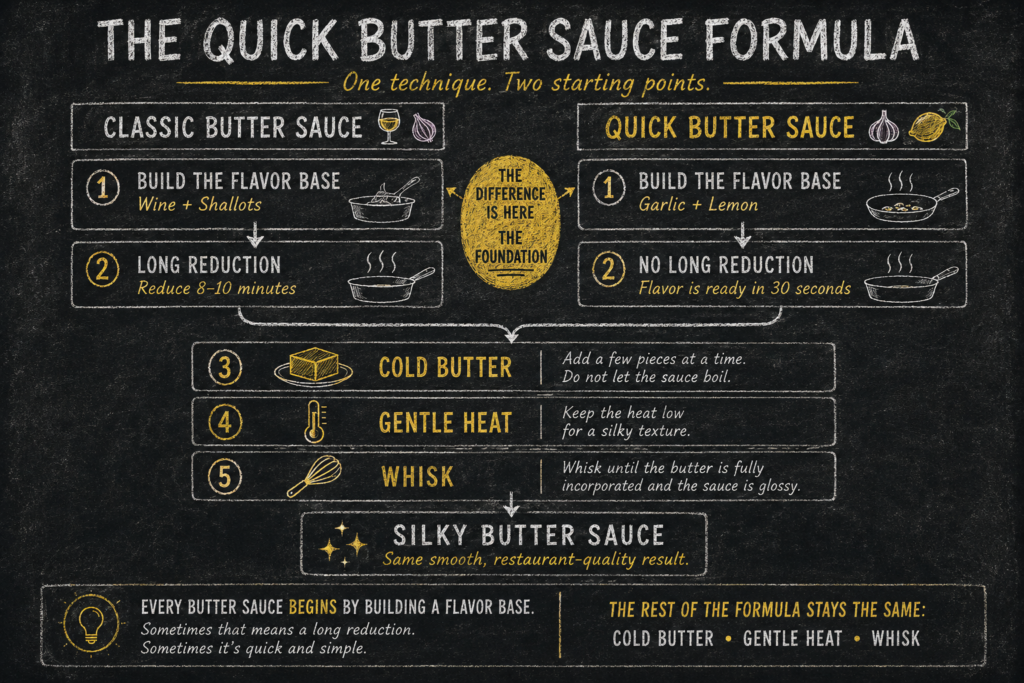
Every sauce in this series follows the same formula: acid, cold butter, gentle heat. What changes episode to episode is how we build the acid base — and that’s where this one saves you time.
In the beurre blanc episode, we reduced wine down hard, because wine starts out diluted and alcoholic. Reducing it concentrates the flavor and cooks off the alcohol — that’s a real reduction, and it takes real time (about 10 minutes).
Lemon doesn’t have that problem. It’s already concentrated. There’s no alcohol to cook off and nothing to dilute out — so instead of a 10-minute reduction, the lemon juice and zest only need about 30 seconds in the pan to pick up the browned bits and come together with the garlic. It’s not a reduction at all — it’s just enough heat to let the flavors merge before the butter goes in.
From there, the technique is identical to every other sauce in this series: heat as low as it goes, cold butter added a few pieces at a time, each addition melting in before the next goes in. Cold butter melts slowly, and that slow melt is what holds the emulsion together instead of breaking it.
The Walkthrough
Prep the shrimp
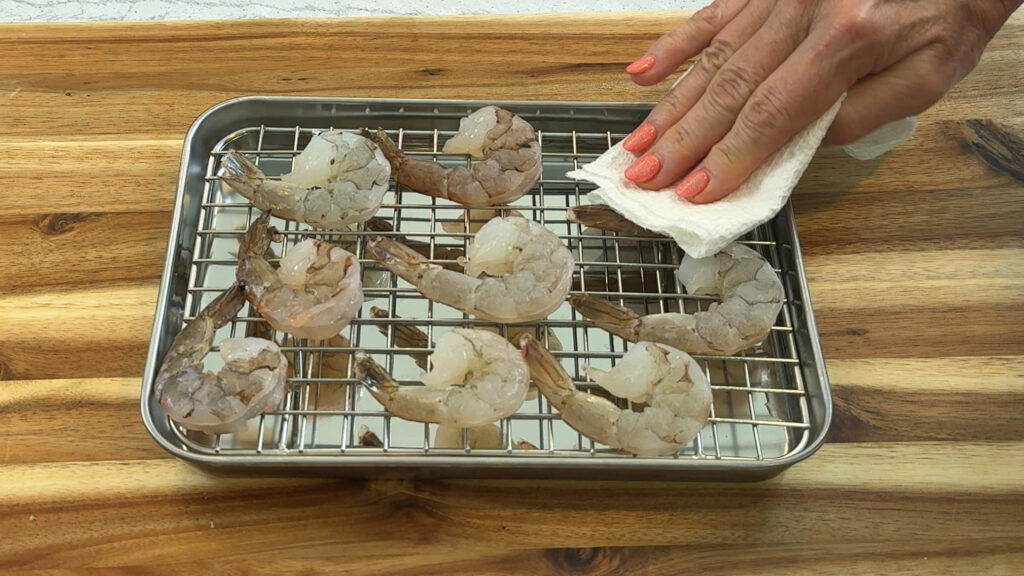
Same rule as always with seafood: dry means seared, wet means steamed. Pat the shrimp completely dry, and if you have time, let them sit uncovered in the fridge for about 30 minutes beforehand — it dries them out further and helps them sear instead of steam.
Sear the shrimp
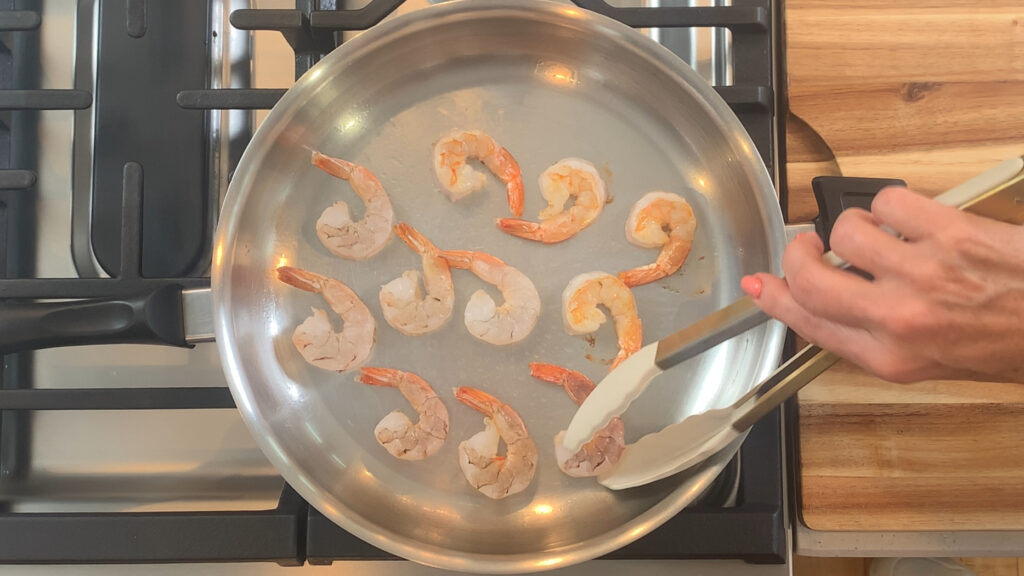
Into a hot pan with a little oil, shrimp added without crowding — give them room. About 90 seconds on the first side, until they turn pink and start to curl, then flip for another 30 seconds. Pull them while they’re still a little underdone; they’ll finish cooking later, right in the sauce. Overcooked shrimp turn rubbery fast, so this early pull is deliberate.
Bloom the garlic off heat
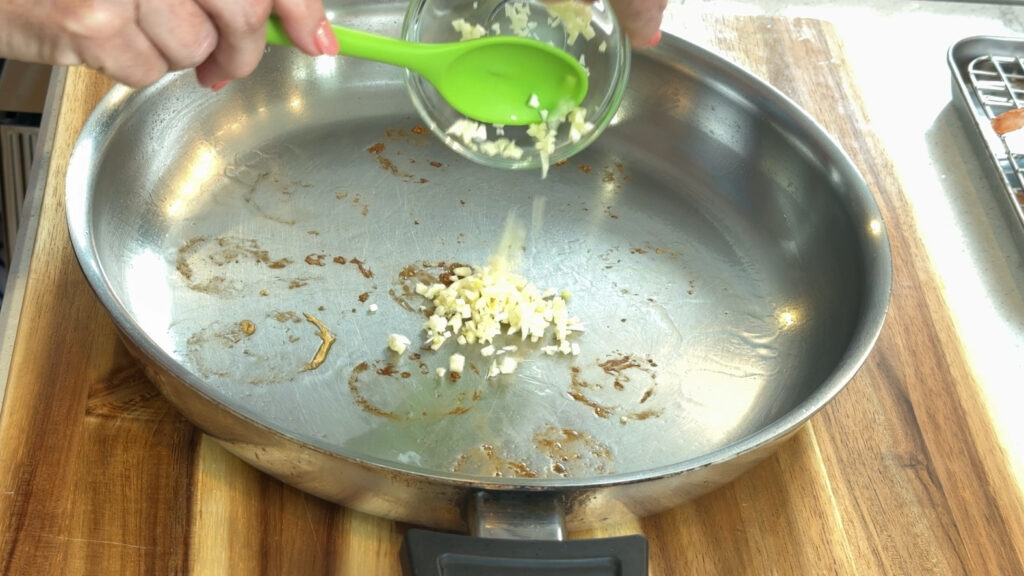
Take the pan off the heat for a moment. It’s still hot enough to cook minced garlic through residual warmth alone — and garlic burns fast, so this off-heat move keeps it from turning bitter. The goal isn’t to fry the garlic; it’s just to let it subtly round out the butter and lemon that come next.
Deglaze with lemon
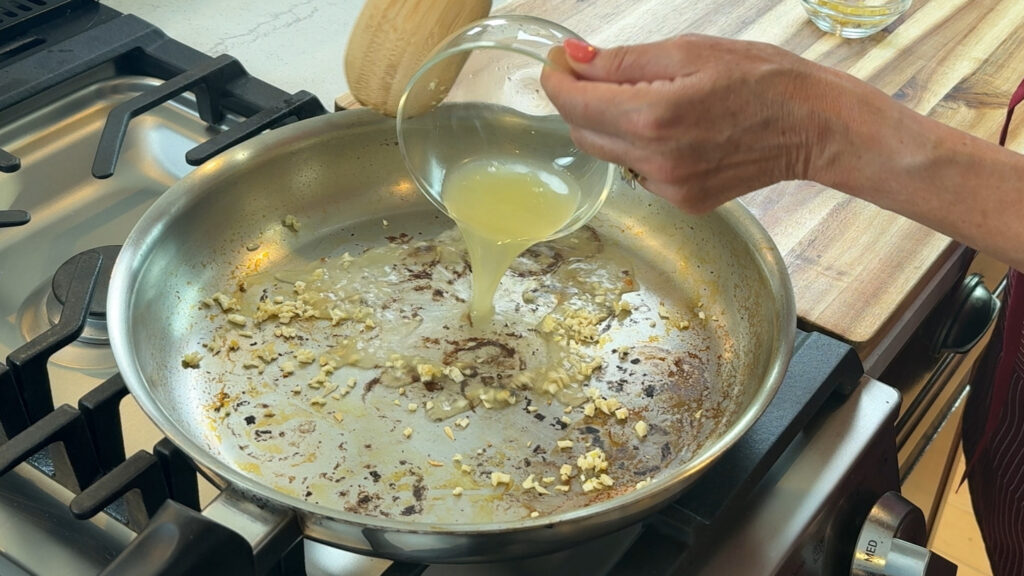
Lemon juice and zest go in, and the pan goes back on low heat. Scrape up the browned bits left behind by the shrimp — that’s flavor dissolving right into the acid. Give it about 30 seconds, just enough for everything to come together. This isn’t a real reduction — compare that 30 seconds to the 10 minutes spent reducing wine for beurre blanc.
Mount the cold butter
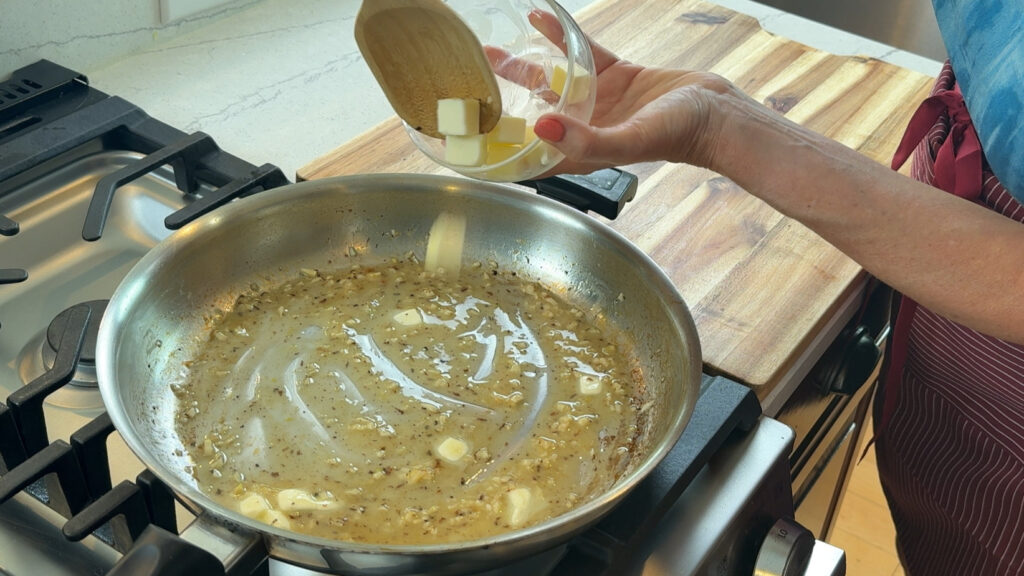
Same move as every butter sauce in this series: heat to the lowest setting, add cold butter a few pieces at a time, blending until each addition disappears before the next goes in. The slow melting of cold butter is what holds the emulsion together rather than letting it break.
Finish the shrimp in the sauce
The shrimp go back in, just to warm through and finish cooking in all that sauce — which is also why they were pulled a little early to begin with. Taste and season with salt and pepper.
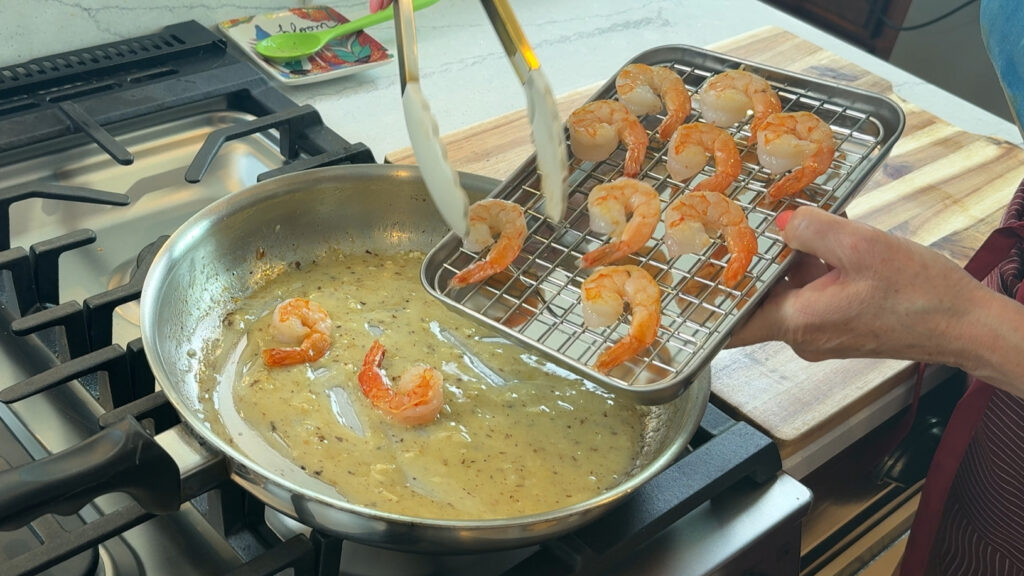
Plate and serve
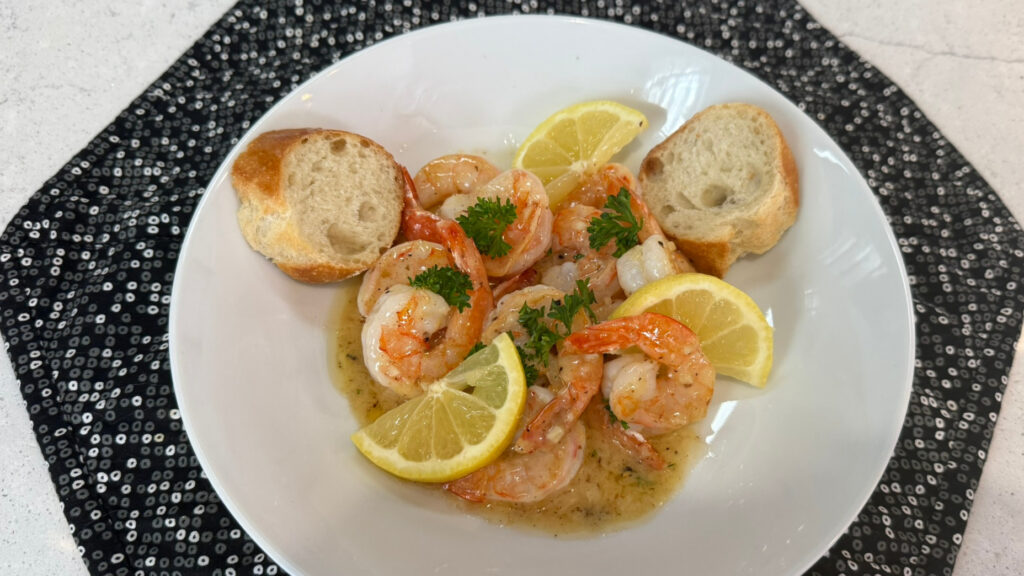
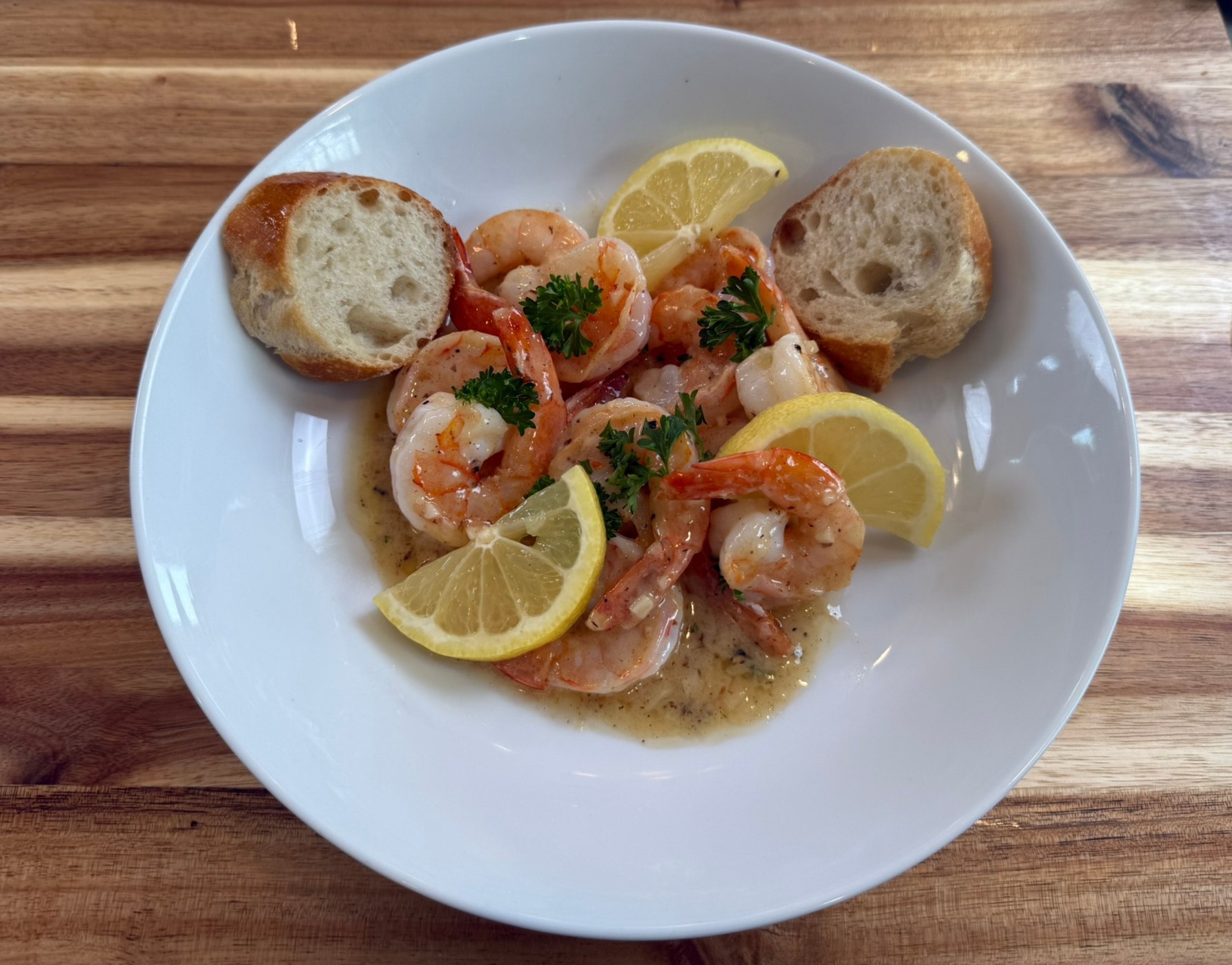
No fine china needed — a basic bowl works, so all that sauce has somewhere to pool. Top with parsley and lemon wedges, and serve with crusty bread for soaking up every last drop.
Ingredients
Method
- Pat shrimp completely dry. For best results, let them sit uncovered in the fridge for 30 minutes before searing.
- Heat oil in a pan over high heat. Sear shrimp without crowding, about 90 seconds per side until pink and just curled. Pull while slightly underdone — they'll finish in the sauce.
- Remove pan from heat. Add minced garlic and let it bloom in residual warmth, about 30 seconds. Do not return to heat — garlic burns fast.
- Return pan to low heat. Add lemon juice and zest, scraping up browned bits. Cook 30 seconds — this is not a reduction, just enough to combine.
- Add cold butter a few pieces at a time, whisking until each addition melts before adding the next. Keep heat as low as possible throughout.
- Return shrimp to the pan to warm through and finish cooking, about 1 minute.
- Taste and season with salt and pepper.
- Plate in a bowl, top with parsley and lemon wedges, and serve with crusty bread.
Video
Notes
FAQ
Can I use bottled lemon juice? Fresh is strongly recommended. Bottled lemon juice lacks the brightness of fresh-squeezed and can taste flat in a sauce this simple, where the lemon is doing most of the flavor work.
Can I use this sauce on something other than shrimp? Yes — it works well over pan-seared fish or chicken. The formula and technique stay the same; only the protein changes.
Can I make the sauce ahead of time? Butter sauces like this one are best made fresh and served immediately. Because the emulsion relies on temperature control, reheating tends to break it. If you need to hold it briefly, keep it in a warm (not hot) spot off direct heat.
Why did my sauce break? Usually one of two things: the heat was too high, or the butter was added too fast. Keep the heat low throughout and add butter gradually, letting each piece melt before adding the next.
Is this the same technique as beurre blanc? Yes — same core formula (acid, cold butter, gentle heat), just without the long wine reduction. Lemon’s concentration means you can skip that step entirely.
Series Navigation
Butter Sauces series: Ep8 Beurre Blanc → Ep9 Brown Butter Sage Sauce → Ep10 Lemon Butter Sauce (this recipe)